When the Winter Wonderland Turned Deadly: The enero Freeze
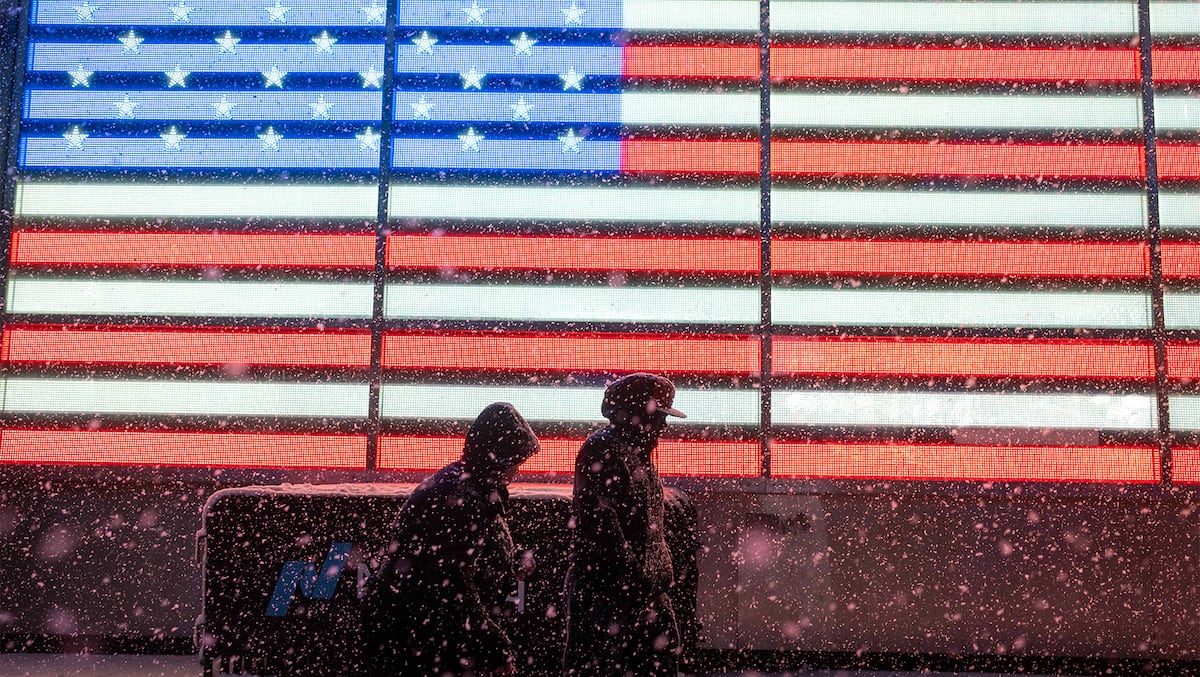
New York City, a metropolis known for its vibrant energy and resilience, faced a formidable challenge in late January, as a severe winter storm swept through the region. What began as a picturesque snowfall, drawing residents out for sledding escapades and even inspiring professional snowboarders like Shaun White to perform stunts in Central Park, quickly unveiled a grim reality. Despite days of varying forecasts and official press conferences detailing the impending weather, the city was unprepared for the human toll of what would become one of its deadliest weather events in recent memory. This period of extreme cold and significant snowfall is now etched into collective memory as a contender for the peor nevada nueva york, or worst snowfall in New York, due to its devastating impact.
As the city initially embraced the novelty of fresh powder, with friends gathering in open bars and families enjoying the white landscape, a somber note was struck by Mayor Zohran Mamdani. While praising sanitation and emergency workers, he issued a stark warning: “For those without shelter, the intense cold can be fatal.” The very next day, even before the snow fully settled, at least five New Yorkers were found deceased outdoors. This was the first chilling indication that the storm and the brutal cold snap that followed would carry a heavy cost, a death toll that tragically continued to climb in the ensuing days and weeks.
Unpacking NYC's Vulnerability: A Crisis on the Margins
The stark contrast between the festive initial reactions to the snow and the escalating tragedy highlighted a profound vulnerability within New York City – particularly concerning its unsheltered population. As the immediate aftermath of the snowfall saw thousands of sanitation workers tirelessly clearing roads and salting surfaces, rendering the city more manageable by Monday morning, the conversation quickly shifted from the snow itself to the relentless, biting cold. The Big Apple experienced its third consecutive day of sub-freezing temperatures, a trend unlikely to abate, marking one of the coldest winters in three decades.
This prolonged freeze triggered an "Enhanced Code Blue," a state of emergency where typical restrictions on shelter admission are lifted, and outreach teams work around the clock to bring vulnerable individuals indoors. According to city authorities, these dedicated outreach workers facilitated over 170 transfers from the streets to shelters and other communal centers. Yet, as the worst of the freeze began to subside, city legislators and officials were left grappling with difficult questions: Did the Mamdani administration do enough for its most vulnerable residents? And how can New York better protect those on the margins when extreme weather threatens everyone's safety?
The tragic loss of life brought into sharp focus the systemic challenges within the city's aid infrastructure. Issues such as limited shelter capacity, barriers to entry for certain individuals, and the sheer difficulty of reaching every person living on the streets become acutely apparent during such crises. While outreach efforts are commendable, the reality is that many individuals, due to mental health issues, substance abuse, or distrust of the system, remain resistant to seeking shelter. This period underscored the urgent need for a multi-faceted approach, one that not only provides immediate refuge but also addresses the root causes of homelessness and offers sustainable solutions. For more in-depth analysis of the failures exposed, read NYC Winter Crisis: Homeless Deaths Expose Aid Systems Failures.
Beyond the Snow: The Lingering Chill and its Historical Context
While the visual drama of heavy snowfall captured headlines, it was the sustained, severe cold that truly defined this devastating period. The mere 12 inches of snow that accumulated in some areas, while significant, was not the sole harbinger of disaster. Rather, it was the prolonged cold snap, described as the coldest in 30 years, that posed the gravest threat. Even as the initial delight of playing in the pristine white snow faded, replaced by slush and the grey of melting asphalt, the danger for many New Yorkers remained.
The city found itself battling not just a blizzard but a relentless, insidious cold that seeped into every corner, making simple survival a monumental task for those without adequate warmth and shelter. The phrase peor nevada nueva york, in this context, extends beyond just the volume of snow to encompass the comprehensive and prolonged severity of the entire winter event, highlighting how extreme cold, coupled with snowfall, amplifies vulnerability. This historical perspective reinforces the need for robust emergency preparedness, not just for visible threats like blizzards, but also for the silent killer that is extreme cold.
Lessons Learned and Forward Steps for a Resilient City
The deadly January storm served as a harsh, undeniable lesson in urban vulnerability and the critical importance of a truly inclusive emergency response. As New York looks ahead, there are vital steps to be taken to fortify its defenses against future extreme weather events:
- Strengthening Outreach Programs: Beyond "Code Blue" protocols, there's a need for year-round, proactive outreach that builds trust and connects individuals with services before crises hit. Funding for these teams should be robust and consistent.
- Expanding Shelter Capacity and Accessibility: Reviewing and expanding existing shelter networks, along with removing bureaucratic barriers that deter individuals from seeking help, is paramount. This includes addressing issues of safety, dignity, and mental health support within shelters.
- Investing in Early Warning Systems: While forecasts exist, improving public awareness campaigns, especially targeting vulnerable populations, and ensuring real-time, accessible information about available resources can save lives.
- Community Engagement: Empowering local communities and neighborhood groups to play an active role in identifying vulnerable neighbors and connecting them with city services can create a more resilient network of support. Simple acts like checking on elderly neighbors or those living alone can make a significant difference.
- Policy Review and Adaptation: City officials must rigorously review existing emergency protocols, identifying gaps and updating strategies based on the lessons learned from this storm and other similar events. This includes exploring long-term housing solutions as a preventative measure against homelessness.
For residents, practical tips include always having an emergency kit prepared, understanding the city's "Code Blue" alerts, and knowing how to report sightings of individuals in need of assistance to relevant authorities like 311 or outreach services. Being prepared and being aware of one's surroundings, especially during extreme weather, contributes to collective safety.
The tragic events following New York's January storm underscore a critical message: extreme weather does not affect everyone equally. While many can find refuge indoors, the city's most vulnerable populations bear the brunt of nature's harshest elements. This experience, which can certainly be considered among the peor nevada nueva york not just for its snowfall but its devastating cold, must serve as a catalyst for profound systemic change. By addressing the deep-seated issues of homelessness, bolstering emergency responses, and fostering a stronger sense of community responsibility, New York can strive to ensure that no resident is left behind when the next crisis inevitably arrives. The memory of those lost demands nothing less than a commitment to a more prepared, more compassionate future.